
When rumors circulate about a business closing, it can be hard to separate fact from noise. That problem gets worse when several businesses share similar names and headlines blend together. If you searched “Is The Plant Farm going out of business,” you probably want a clear answer — not more confusion.
This article covers the current status of The Plant Farm in Spokane Valley, explains why so many people are asking this question, and looks at what has actually caused other plant-related businesses to close. It also gives you a straightforward way to verify the status of any local plant business on your own.
What Is The Plant Farm and Where Is It Located?
The Plant Farm is a local garden center located on Fourth Avenue in Spokane Valley, Washington. It is not a franchise chain or a tech-backed startup. It is a community-rooted operation with a long-standing local presence.
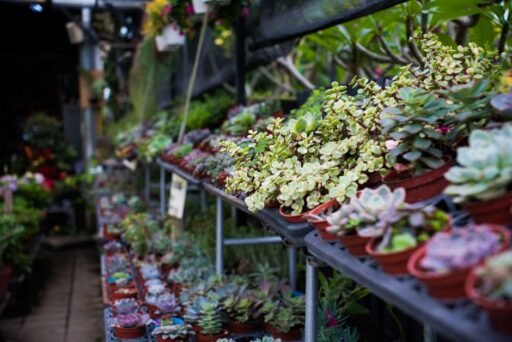
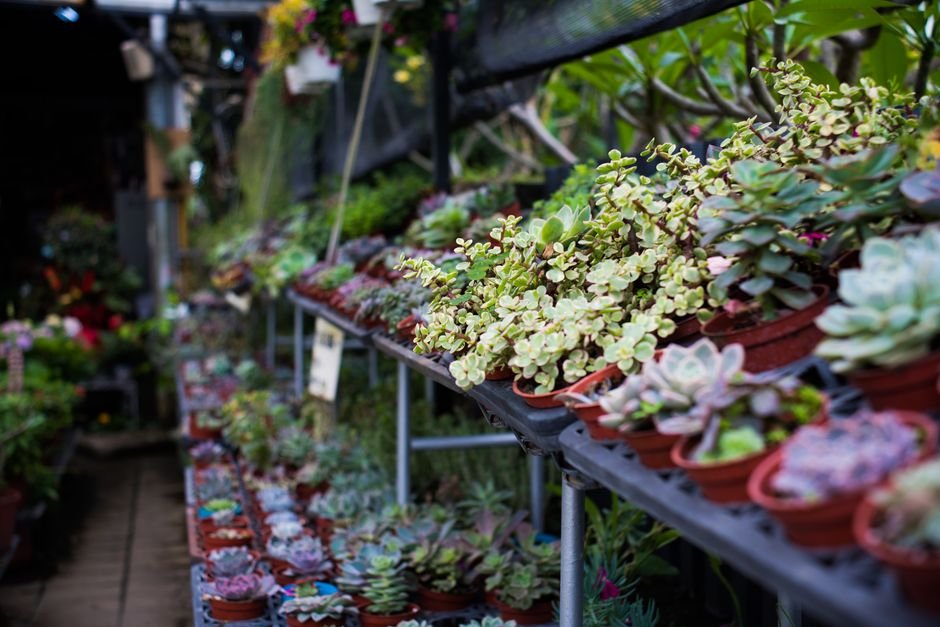
Its parent company, Creach Greenhouse, grows more than 95% of the plants sold on-site. The growing operation spans 10 acres and more than 30 greenhouses. That kind of vertical integration — growing and selling in the same place — is relatively uncommon among retail garden centers.
The retail store is open Monday through Saturday, 10 a.m. to 6 p.m. The business also runs an active Etsy shop under the name “theplantfarm,” with staff available Monday through Thursday, 9 a.m. to 4 p.m. PST, to answer customer questions.
The Plant Farm in Spokane Valley Is Currently Open
As of the most recent available sources, The Plant Farm shows no public sign of closing. There is no going-out-of-business sale, no ownership transfer announcement, and no closure notice on any of its official platforms.
A cross-check of the official website (spokaneplantfarm.com), the Yelp listing, the Facebook page, and the Etsy shop all point to normal operations. The Yelp listing even shows upcoming special holiday hours scheduled into 2025 — a detail that would be unusual for a business preparing to close.
The Facebook page lists a current address (14208 E 4th Ave, Spokane Valley, WA) and a contact email. No closure language appears anywhere on the page. When every official channel reflects standard activity with no warning signs, that absence of closure signals is itself meaningful information.
If this changes, it would likely appear first on the business’s website or social media pages. But as things stand, nothing suggests The Plant Farm is going out of business.
Why Readers Are Searching This Question
The confusion likely comes from several other plant-related businesses that have closed in recent years. These businesses have similar-sounding names, which makes it easy to mix up the stories — especially in a quick search.
Fat Plant Farm (Regina, Saskatchewan)
Fat Plant Farm was a cactus and succulent retailer based in Regina, Saskatchewan, Canada. It announced the closure of its physical storefront at the end of 2022, though the owner hoped to continue some online sales. This is a completely separate business from The Plant Farm in Spokane Valley.
Double B Plant Farm (Augusta, Georgia Area)
Double B Plant Farm operated in the Augusta and CSRA region for nearly 40 years before storm Helene caused severe damage to its property. The owners decided the recovery costs were too high to continue, and they began selling off remaining inventory by appointment. It is an unrelated business in a different state.
PLANT (United Kingdom)
A UK-based business simply called PLANT shut down in February 2023 after sustained financial losses. Its bank account was closed in July, and the company was formally dissolved by November. Again, this has no connection to The Plant Farm in Washington state.
Planta (Plant-Based Restaurant Chain)
Planta is a plant-based dining chain, not a garden center. It filed Chapter 11 bankruptcy and closed roughly half its locations, including both Toronto restaurants. The confusion here comes from the name similarity, but Planta operates in an entirely different sector — it sells food, not plants.
These stories share surface-level naming similarities with The Plant Farm. But they represent different businesses, different industries, and different countries. None of them reflect on the status of the Spokane Valley garden center.
What Actually Causes Plant Businesses to Close
Understanding the real pressures facing plant-related businesses helps put individual closures in context. It also makes clear why not every business in this space faces the same level of risk.
Storm Damage
Double B Plant Farm’s closure is a clear example of how a single weather event can end a decades-long operation. When physical infrastructure is destroyed and repair costs outpace what the business can absorb, closure becomes the only practical option. Outdoor and greenhouse-based operations are particularly exposed to this kind of risk.
Rising Energy Costs
Indoor vertical farms and plant factories rely heavily on artificial lighting and climate control systems. Those energy demands become a serious problem when electricity prices rise. At the end of 2024, one California vertical farm facility was mothballed specifically because of escalating energy costs. Traditional greenhouse operations typically carry less energy exposure than these high-tech setups, but rising utility costs still affect the bottom line across the industry.
Post-Pandemic Demand Shifts
Houseplant sales surged during 2020 and 2021 as people spent more time at home. That demand has since normalized. Businesses that scaled up significantly during the boom — adding staff, inventory, and lease obligations — found themselves overextended when consumer behavior returned to pre-pandemic patterns.
Financial Overextension
Some plant businesses, particularly those backed by outside investors, expanded faster than their revenue could support. The UK business PLANT is a useful example: it closed after a sustained period of financial losses rather than any single catastrophic event. Poor unit economics over time can be just as damaging as a storm.
Traditional Garden Centers vs. Vertical Farms: A Key Distinction
Not all plant businesses operate the same way, and that matters when evaluating closure risk.
Vertical farms are capital-intensive operations that use artificial lighting, controlled environments, and significant technology infrastructure. They tend to be more exposed to energy prices, financing cycles, and investor sentiment. Many have struggled or failed in recent years despite genuine interest in the concept.
Traditional garden centers, including greenhouse operations like The Plant Farm, generally operate with lower technology overhead. They rely on natural light, established growing practices, and direct local sales. That model tends to be more stable — though it is not immune to the pressures described above.
Think of it this way: a neighborhood plant center and a venture-funded vertical farm are both in the “plant business,” but they carry very different cost structures and risk profiles. Comparing them directly does not give an accurate picture of either one.
How to Verify Whether a Local Plant Business Is Closing
If you want to confirm the status of any local garden center — including The Plant Farm — the process is straightforward.
- Check the official website. Businesses that are closing usually post a notice, especially if there is a final sale underway.
- Review social media pages. Facebook, Instagram, and similar platforms are often where small businesses communicate directly with their customers. Look for posts about closing dates, liquidation sales, or farewell messages.
- Check Yelp or Google listings. These platforms often show updated hours and sometimes reflect closure notices before other channels.
- Look for “closing sale” language. Going-out-of-business events are almost always accompanied by some form of promotional language about discounts or final inventory.
- Contact the business directly. A simple email or phone call can resolve the question quickly.
For The Plant Farm, all of the above channels currently reflect active operations with no closure signals. That is a reasonable basis to conclude the business is open and operating normally.
For broader business coverage and analysis of small business trends, OurBizPoint offers practical resources for business owners and consumers alike.
Final Takeaway
The Plant Farm in Spokane Valley is not going out of business based on any available public information. Its website, social media pages, Yelp listing, and Etsy shop all point to a business that is operating normally and planning ahead.
The confusion behind this question is understandable. Several plant-related businesses have closed in recent years, and their names are easy to mix up. But Fat Plant Farm, Double B Plant Farm, Planta, and the UK business PLANT are all entirely separate operations with no connection to the Spokane Valley garden center.
If you rely on The Plant Farm for plants, garden starts, or specialty varieties, the evidence suggests you can continue to do so. And if the situation ever changes, the business’s own official channels will be the first place that reflects it.
Read Also: