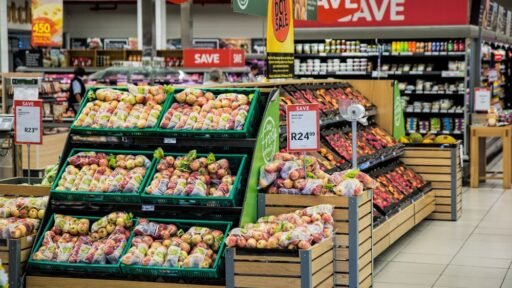
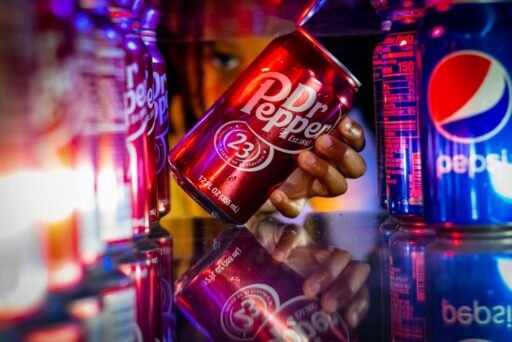
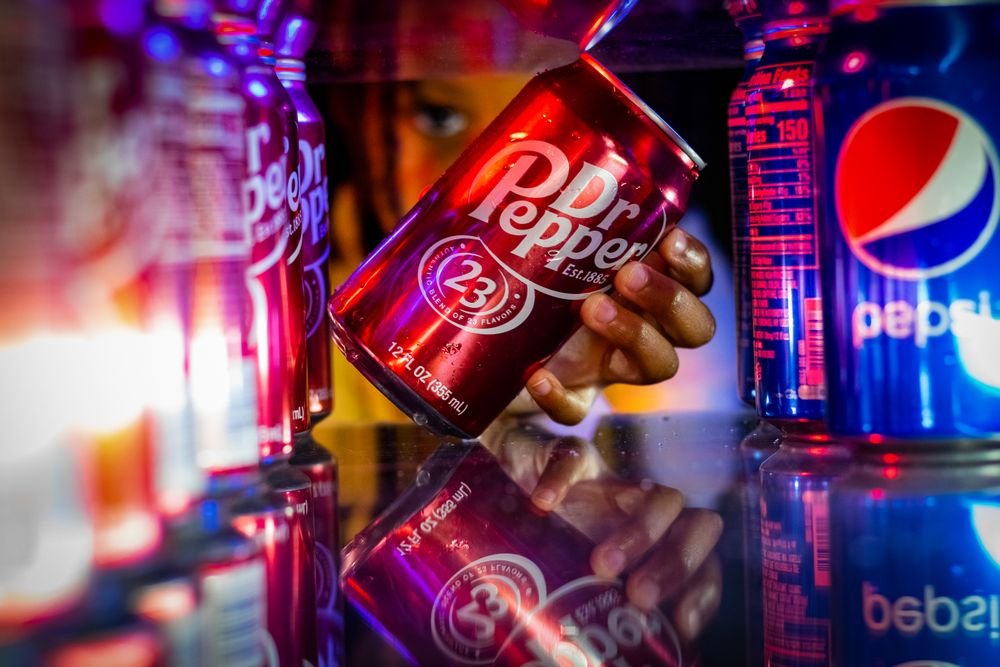

If you’ve walked up to a soda fountain recently and found no Dr Pepper, you’re not alone. People across the country have noticed the drink missing from movie theaters, restaurant machines, and even some store shelves. Social media picked up on it quickly, and before long, the rumor was spreading: Dr Pepper is being discontinued.
It’s not true. But the confusion is understandable, and there are real reasons behind the shortages. This article breaks down what’s actually happening — who owns Dr Pepper, why it’s disappeared from certain locations, and how to tell the difference between a distribution change and a brand going under.
Dr Pepper Is Not Going Out of Business
Let’s get straight to the point. Dr Pepper is not being discontinued, and no credible corporate or regulatory source supports that claim.
Keurig Dr Pepper (KDP), the company that owns the brand, has publicly confirmed that Dr Pepper remains a core product in its portfolio. As of early 2026, Dr Pepper generates over $1.2 billion in annual net revenue — making it the third-highest earning brand KDP owns. That’s not the profile of a product being quietly phased out.
In February 2026, KDP’s CEO stated that Dr Pepper is outperforming category growth and that there are “zero plans” to discontinue it. The company’s Chief Commercial Officer also described the brand as being repositioned for long-term growth, not retirement.
One post that added a lot of fuel to the fire came from a local Tennessee city government Facebook page. It claimed: “Dr Pepper is officially being discontinued effective July 1st, 2026.” There is no corporate or regulatory backing for that statement. It has no connection to anything KDP announced, and it’s widely considered misinformation. Snopes has also addressed the broader discontinuation rumor, calling it false.
Who Actually Owns Dr Pepper
A persistent misconception is that Coca-Cola owns Dr Pepper and decided to pull it from the market. This is not accurate.
Dr Pepper is owned by Keurig Dr Pepper, which was previously known as the Dr Pepper Snapple Group. The brand has never been owned by Coca-Cola. It was created in the 1880s by a pharmacist named Charles Alderton in Waco, Texas, making it one of the oldest soft drink brands in the country.
Where the confusion comes from is distribution. In some regions, Coca-Cola bottlers have historically delivered Dr Pepper under contractual agreements. So if you’ve seen a Coca-Cola truck dropping off Dr Pepper cases at a local store, that doesn’t mean Coca-Cola owns the brand — it just means they were contracted to move the product.
Think of it like a third-party delivery service. A courier company might deliver packages for many different retailers. That doesn’t mean the courier owns what’s inside the box. The same logic applies here.
Why Dr Pepper Has Disappeared From Some Fountains and Stores
This is where things get more nuanced — and where the real explanation for the shortages lives.
A Texas court ruling allowed KDP to terminate its longstanding distribution agreement with Reyes Coca-Cola Bottling, a company that had been distributing Dr Pepper across parts of California, Nevada, and other regions. As those agreements wind down, the impact becomes visible at the consumer level.
Coca-Cola-affiliated soda fountains — found in restaurants, theaters, stadiums, and fast food locations — get their Dr Pepper supply through the Coca-Cola bottling network. When KDP ended that distribution relationship, those venues lost access to the product through their existing supply chain. The result: Dr Pepper disappears from the fountain menu.
This isn’t the same as the brand being discontinued. A customer who can’t find Dr Pepper at a Coca-Cola fountain is experiencing a venue-level change, not a brand-level shutdown. Bottled and canned Dr Pepper continues to be produced and is widely available through other retail channels.
The Detroit area is a clear example of how this played out locally. KDP asserted its own distribution rights in parts of Michigan, and the transition period created a gap. Some retailers, including Meijer, posted notices about supply changes. Shoppers saw those notices and assumed the drink was being phased out. In reality, it was a logistics transition, not a discontinuation.
The Business Strategy Behind the Distribution Change
It’s worth understanding why KDP made this move in the first place. Ending a major distribution partnership is a significant decision — and it signals strategy, not distress.
By stepping away from the Reyes Coca-Cola Bottling agreement, KDP gains more direct control over how its products reach consumers. That matters for pricing decisions, shelf placement, and the ability to secure fountain partnerships on its own terms. Relying on a competitor’s bottling infrastructure to distribute your flagship product creates a conflict of interest. Moving toward independent or in-house distribution reduces that conflict.
This kind of shift is common among large consumer brands when they reach the scale where managing their own supply chain becomes more profitable than outsourcing it. It’s a sign the brand is asserting itself — not retreating.
KDP has also continued to invest in the brand. Production lines at multiple U.S. bottling facilities are operating at full capacity. The 12-oz glass bottle has been designated a heritage format with permanent SKU status through at least 2030. In March 2025, KDP released Dr Pepper Zero Sugar Real Ginger as a new permanent flavor — not the kind of move a company makes if it plans to wind down the brand.
What Has Actually Been Discontinued
To be fair, a small number of Dr Pepper products have been discontinued — but these are niche variants, not the flagship drink.
Two specific items were quietly phased out: the Dr Pepper and Cream Soda dual-flavor can, which was discontinued in December 2023, and Dr Pepper Decaf, which was pulled from 17 states in the first quarter of 2024. The Decaf slots were replaced with expanded Dr Pepper Zero Sugar availability.
Discontinuing a limited-run or low-volume variant is standard portfolio management. Every major beverage brand does this regularly. It doesn’t indicate the core product is in trouble — it’s simply a company adjusting what it sells based on what’s working.
Compare it to a clothing brand dropping a color option that wasn’t selling. The brand still exists, the main product still ships, and most customers never notice the change. The same applies here.
How to Evaluate Rumors Like This in the Future
Dr Pepper is not the first brand to be falsely declared dead on social media, and it won’t be the last. Rumors like this spread because consumers genuinely notice something changing — a missing product at a favorite restaurant, a store notice about supply — and social media fills in the gap with speculation.
Here’s a practical approach for evaluating similar claims:
- Check the original source. Is the claim coming from the company’s official press release or investor call? Or from a local Facebook post with no corporate backing?
- Look for regulatory filings. A company genuinely shutting down a product would leave a paper trail with distributors, regulators, and retailers at scale.
- Use fact-checking outlets. Snopes and similar sites regularly investigate viral food and beverage discontinuation rumors.
- Distinguish between local and national. A product missing from one store or fountain chain in one city is not evidence of a nationwide discontinuation.
For ongoing business news, analysis of brand strategies, and clarification on corporate rumors, OurBizPoint covers these topics with the same direct, research-based approach used here.
The Bottom Line
Dr Pepper is not going out of business. The brand is financially healthy, actively expanding, and backed by a parent company that has publicly committed to its long-term future. The shortages people are noticing are the result of a deliberate distribution shift — KDP ending its agreement with Reyes Coca-Cola Bottling and reclaiming control over how its product reaches the market.
That transition has caused real, visible gaps at certain fountains and during regional changeovers. Those gaps are temporary and logistical, not a signal that production is ending.
Before accepting any claim that a major consumer brand is shutting down, it’s worth asking: where did this claim originate, and does it hold up when measured against corporate statements, financial data, and verified reporting? In Dr Pepper’s case, the answer is clear — the drink is still very much here.
Read Also: